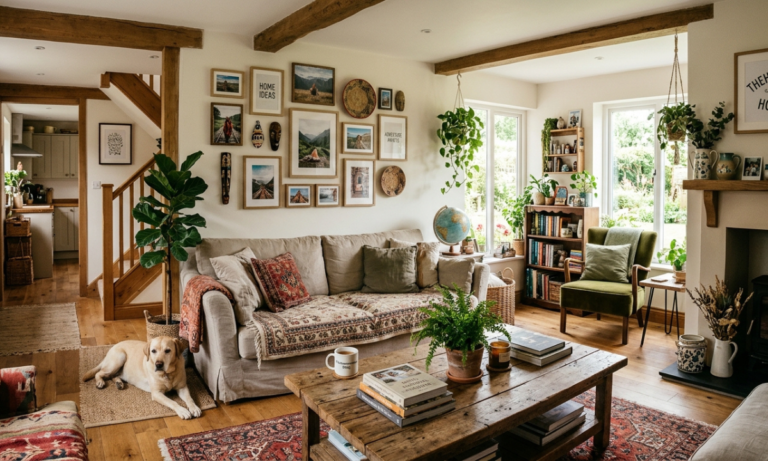
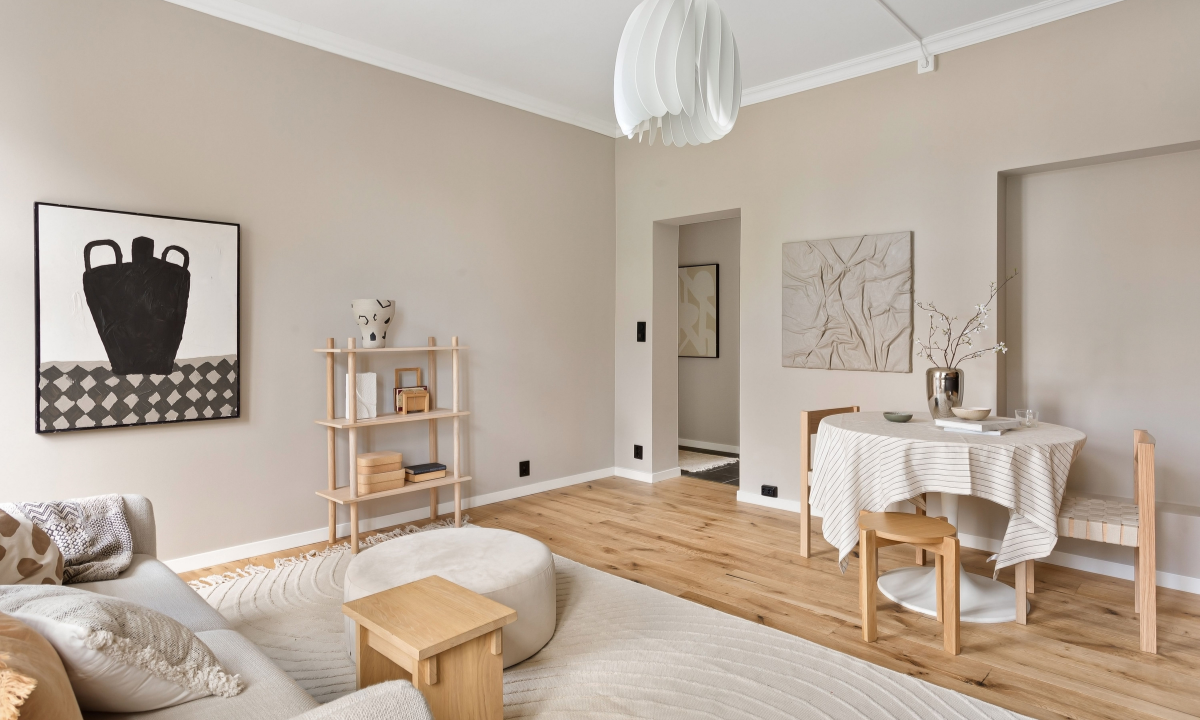
What Is Interior Design? Understanding the Basics
Interior design is the process of planning and arranging indoor spaces to improve their appearance, comfort, safety, and functionality. It includes decisions about colors, furniture, lighting, flooring, materials, storage, and decorative features.
A well-designed room considers how people will use it. For example, a living room should provide comfortable seating and enough space to move around. A kitchen needs practical work surfaces, accessible storage, and suitable lighting. A bedroom should support rest while providing space for essential furniture.
Interior design also involves balancing different elements. Too much furniture can make a room feel crowded, while an empty room may feel unfinished. Strong lighting can improve visibility, but softer lighting may create a more relaxing atmosphere.
Understanding these basics helps explain why interior design is interesting: every decision serves a purpose, and small changes can improve the way a space looks and works.
Why Interior Design Is More Than Just Decoration
Decoration focuses mainly on the visual details of a space, such as artwork, cushions, ornaments, and accessories. Interior design covers a wider range of decisions, including layout, lighting, circulation, furniture placement, storage, materials, and the needs of the people using the room.
For example, adding a decorative mirror may make a room look better. Placing that mirror where it reflects natural light can also help the room feel brighter. Similarly, choosing a stylish sofa matters, but selecting one that fits the room and provides comfortable seating is equally important.
Interior design brings these choices together to create a balanced environment. It considers appearance, everyday activities, comfort, and practical limitations. This combination makes design useful for both small changes and complete home renovations.
The Main Reasons Why Interior Design Is Interesting
Interior design offers many ways to improve a space while making it feel personal. Here are five reasons people enjoy exploring it.
1. It Allows You to Express Your Personality
Your home can reflect your interests, favorite colors, cultural influences, and personal memories. Family photographs, meaningful artwork, favorite books, and carefully selected furniture help create a space that feels like your own.
2. It Combines Creativity and Functionality
Interior design gives you room to experiment with colors, patterns, furniture, and layouts while solving practical problems. A creative storage solution, for example, can improve a room’s appearance while making everyday items easier to organize.
3. It Transforms Ordinary Spaces Into Beautiful Places
A simple room can feel completely different after rearranging furniture, improving lighting, changing wall colors, or adding a few decorative details. These changes can make an ordinary space feel more inviting without requiring a complete renovation.
4. It Improves Comfort and Everyday Living
Good design considers how people move, sit, work, relax, and store their belongings. Comfortable furniture, clear walking paths, suitable lighting, and accessible storage can make everyday activities easier.
5. It Creates a Positive Mood and Atmosphere
Colors, lighting, textures, and room arrangements can influence how a space feels. Soft lighting and comfortable seating may help create a relaxing bedroom or living room, while brighter task lighting can support concentration in a home office.
The Main Elements That Make Interior Design Unique
Several design elements work together to create the character of a room. Understanding them helps you make choices that suit your space and personal preferences.
1. Colors and Their Impact on Mood
Colors affect the visual character of a room and can influence its perceived atmosphere. Light neutrals may make a small space feel more open, while deeper shades can add contrast and a sense of intimacy. A balanced color palette helps different parts of a room feel connected.
2. Furniture and Space Planning
Furniture determines how a room functions and how much usable space remains. Selecting appropriately sized pieces and arranging them around everyday activities can improve comfort, movement, and organization.
3. Lighting and Ambience
Lighting affects visibility, appearance, and atmosphere. Natural light can make a room feel brighter during the day, while a combination of ceiling lights, table lamps, and task lighting provides flexibility after dark.
4. Textures, Patterns, and Materials
Wood, glass, metal, cotton, wool, stone, and other materials introduce different visual and physical qualities. Combining a few complementary textures can add depth and interest without making the room look cluttered.
5. Decorative Accessories and Personal Touches
Artwork, plants, cushions, rugs, mirrors, and family photographs help complete a room. These details work best when they complement the overall design and have enough space to stand out.
Exploring the Different Types of Interior Design
Interior design includes many styles, each with its own visual qualities and practical benefits. You can follow one style throughout your home or combine compatible elements to create a more individual look.
Modern Interior Design
Modern interior design is associated with clean lines, functional furniture, and a restrained approach to decoration.
- Clean shapes: Straight lines and simple forms create an organized appearance.
- Neutral colors: White, gray, beige, and black often form the foundation.
- Functional furniture: Pieces are selected for practical use as well as appearance.
- Open layouts: Unnecessary obstacles are reduced to improve movement.
- Simple decoration: A few carefully chosen accessories provide visual interest without overcrowding the room.
Minimalist Interior Design
Minimalist interior design focuses on simplicity, useful objects, and uncluttered spaces.
- Less clutter: Keep frequently used items and store unnecessary belongings out of sight.
- Simple palettes: Neutral colors and limited accent shades maintain visual consistency.
- Essential furniture: Choose pieces that serve a clear purpose.
- Open space: Leave enough room around furniture to make movement easier.
- Thoughtful details: Use a few meaningful decorative pieces rather than filling every surface.
Traditional Interior Design
Traditional interior design draws inspiration from established decorating styles, classic furniture forms, and familiar patterns.
- Classic furniture: Detailed woodwork and traditional silhouettes often define the style.
- Rich colors: Deep greens, burgundy, navy, cream, and warm browns can create a classic atmosphere.
- Decorative patterns: Floral prints, stripes, and patterned rugs may add character.
- Warm materials: Wood, upholstered furniture, and layered fabrics create a comfortable setting.
- Balanced arrangements: Symmetrical furniture placement and coordinated accessories can create a formal appearance.
Contemporary Interior Design
Contemporary interior design reflects current design preferences and changes as new ideas develop.
- Current shapes: Furniture often features clean lines and updated forms.
- Mixed materials: Wood, metal, glass, and textiles can be combined.
- Flexible colors: Neutral foundations may be paired with bold accent shades.
- Comfortable layouts: Practical arrangements support everyday activities.
- Selective decoration: Statement lighting, artwork, or furniture can become a focal point.
Industrial Interior Design
Industrial interior design takes inspiration from warehouses, workshops, and converted industrial buildings.
- Exposed features: Brick walls, structural beams, or visible pipes may become design elements.
- Metal finishes: Black steel and brushed metal are common choices.
- Natural textures: Concrete, reclaimed wood, and rough surfaces add character.
- Simple furniture: Practical designs complement the industrial appearance.
- Open arrangements: Spacious layouts and limited partitions often suit this style.
Scandinavian Interior Design
Scandinavian interior design emphasizes simplicity, natural materials, practical furniture, and comfortable living spaces.
- Light colors: White, cream, pale gray, and soft earthy shades help create a bright appearance.
- Natural wood: Wooden furniture and flooring introduce warmth.
- Functional design: Furniture is selected to make everyday life easier.
- Soft textiles: Rugs, throws, and cushions add comfort and texture.
- Connection to nature: Plants and natural materials help bring an outdoor influence indoors.
The Role of Colors, Lighting, and Textures in Interior Design
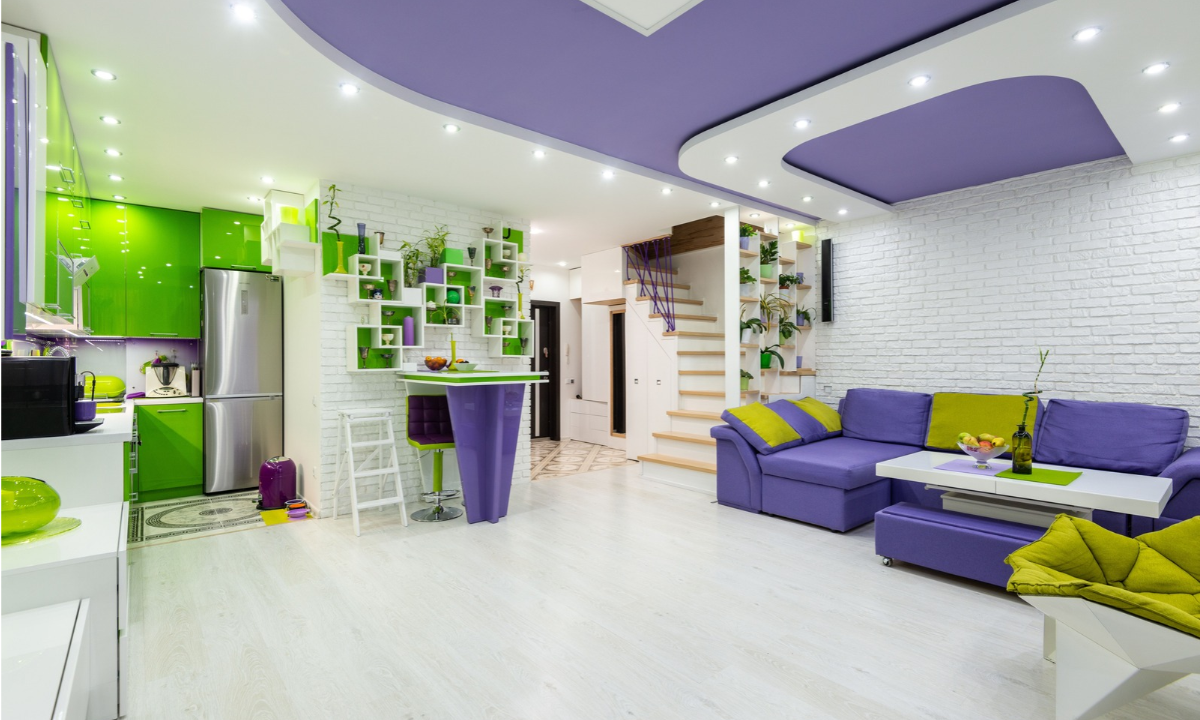
Colors, lighting, and textures work together to determine the appearance and atmosphere of a room. Even when furniture remains unchanged, adjusting these elements can make a space feel different.
How Colors Influence the Mood of a Room
Color choices affect the visual balance of an interior. Warm shades such as terracotta, muted orange, and soft yellow can create a welcoming impression. Blue and green may give a room a calmer appearance, while white and other light neutrals can make the space feel more open.
However, the effect of a color depends on its shade, the amount used, the surrounding materials, and the available light. Before painting an entire room, test a small sample under both daylight and artificial lighting.
Why Lighting Matters in Interior Spaces
Lighting helps people perform tasks safely and comfortably while influencing how furniture, colors, and materials appear. Natural light is useful during the day, but artificial lighting is needed when daylight is limited.
Consider using three types of lighting:
- Ambient lighting: Provides general illumination throughout the room.
- Task lighting: Helps with activities such as reading, cooking, studying, or working.
- Accent lighting: Draws attention to artwork, shelves, architectural details, or decorative objects.
Dimmers and adjustable lamps can provide additional control. Choose lighting based on the room’s purpose rather than relying on one bright ceiling fixture for every activity.
Using Textures and Materials to Add Character
Texture adds depth to an interior. A smooth tabletop may look more interesting beside a woven rug, linen curtains, or a textured cushion. Wooden surfaces can bring warmth, while glass and metal may create a cleaner, more contemporary appearance.
Material selection should also consider durability and maintenance. Busy family areas may need easy-to-clean fabrics and sturdy surfaces, while decorative materials in less frequently used spaces can be chosen primarily for appearance.
How Furniture and Space Planning Make a Difference
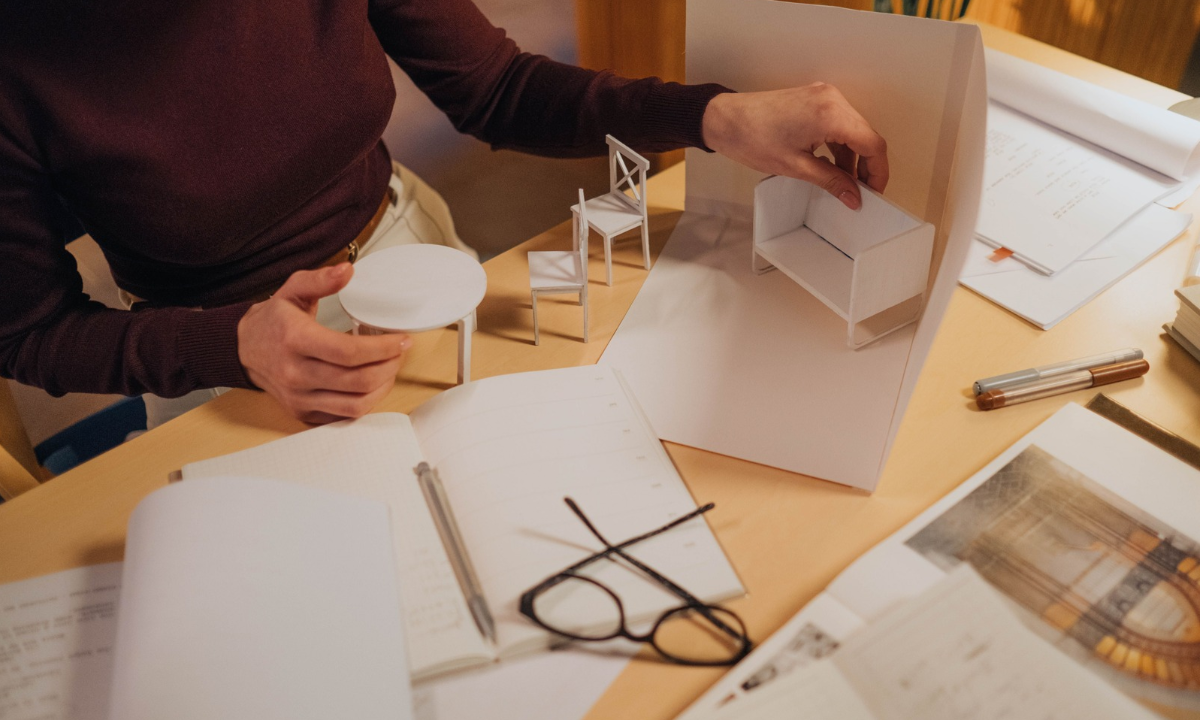
Furniture and space planning determine how comfortably people can use a room. Before buying anything, measure the available space and consider the dimensions of doors, windows, and existing furniture.
In a small living room, a compact sofa, wall-mounted shelves, and multipurpose furniture can help preserve floor space. In a larger room, separate furniture arrangements can create areas for conversation, reading, or working.
Avoid filling every empty corner. Leaving enough room to move around helps maintain a balanced and practical layout.
How Technology Is Changing the World of Interior Design
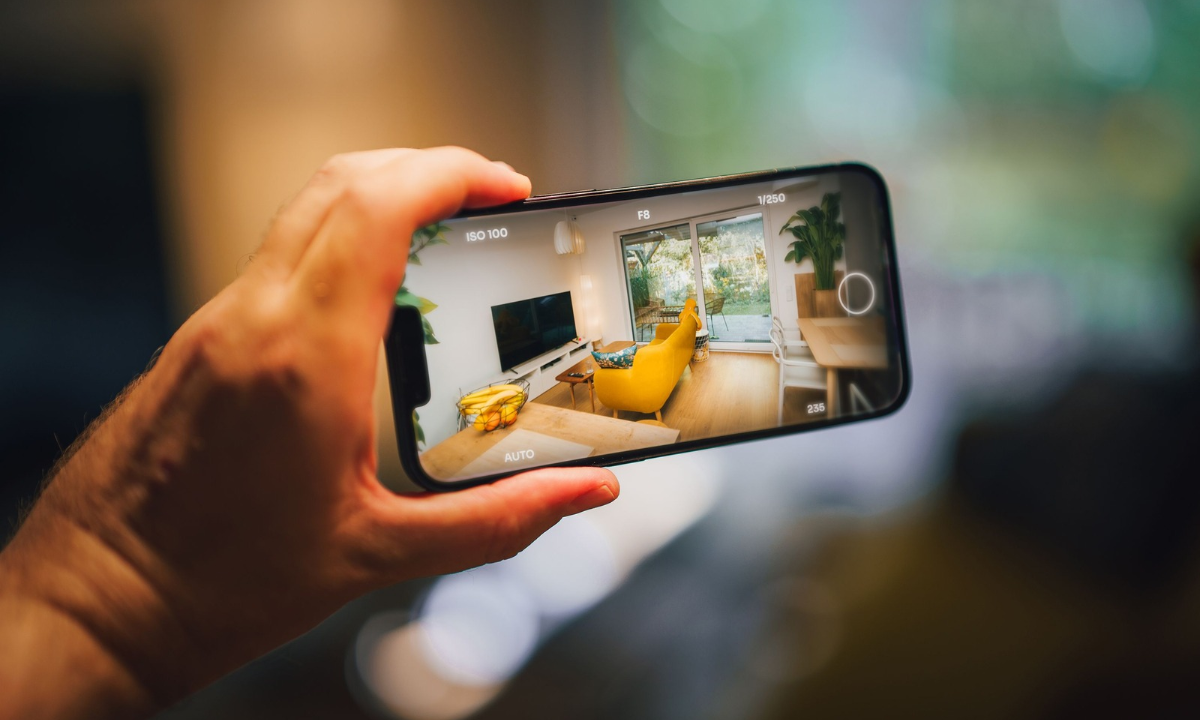
Technology has made interior design easier to explore and plan. Digital mood boards, room-planning applications, and three-dimensional visualization tools allow homeowners to compare layouts, colors, and furniture arrangements before making significant purchases.
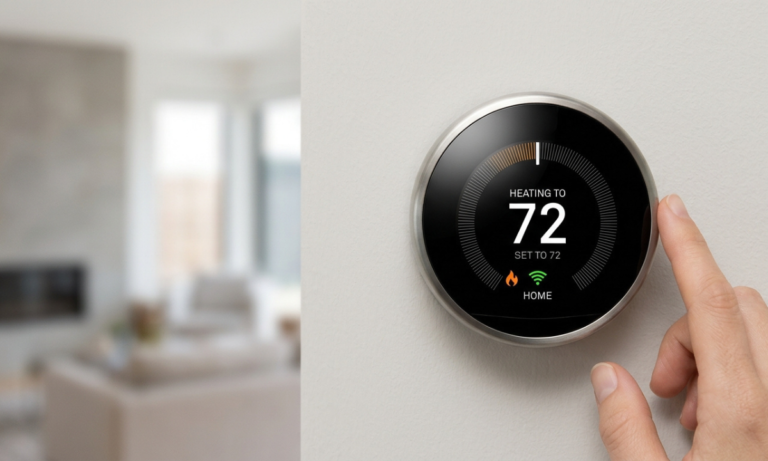
Smart lighting systems can also provide greater control over brightness and atmosphere. Other connected devices may help homeowners manage different aspects of their indoor environments.
Although technology offers useful tools, careful measurements and practical planning remain essential. The best results come from using technology to solve real problems rather than adopting gadgets simply because they are popular.
The Importance of Interior Design in Everyday Life
Interior design influences how people experience their homes. A well-organized kitchen can make meal preparation more convenient, while a thoughtfully arranged bedroom can provide a comfortable place to rest.
It can also help people use limited space effectively. Shelving, storage furniture, and sensible layouts can make small rooms more manageable.
Indoor conditions matter, too. According to the U.S. Environmental Protection Agency, controlling pollution sources, providing adequate ventilation, and using filtration when appropriate can help improve indoor air quality. These practical considerations are important alongside visual appeal.
How Interior Design Reflects Your Lifestyle and Personality
Your interior choices can reflect your daily habits and interests. Someone who enjoys reading might create a quiet reading corner, while a person who regularly entertains guests may prioritize comfortable seating and a spacious dining area.
Families with children might prefer durable materials and accessible storage. People who work from home may need a dedicated desk, suitable lighting, and a comfortable chair.
Instead of following every design trend, focus on choices that suit your lifestyle. A home should reflect the people who live in it, not simply imitate photographs from magazines.
The Connection Between Interior Design and Well-Being
A thoughtfully designed home can support everyday routines by providing comfortable furniture, suitable lighting, organized storage, and spaces for relaxation. Natural daylight and a pleasant indoor environment can also make a room more inviting.
However, interior design alone cannot guarantee better physical or mental health. Ventilation, moisture control, and responsible material choices are also important considerations.
The EPA explains that indoor air quality can influence health, comfort, and productivity. Therefore, creating a comfortable home involves both visual design and attention to the indoor environment.
Budget-Friendly Interior Design Ideas for Every Home
A limited budget does not mean you have to give up on good interior design. Start with changes that address the biggest problems in your space, then add decorative improvements when your budget allows.
Here are several affordable ideas:
- Rearrange existing furniture: Try a new layout before purchasing anything.
- Refresh the walls: A carefully chosen paint color can change the appearance of a room.
- Improve the lighting: Add a table lamp, floor lamp, or task light where needed.
- Reduce clutter: Organize shelves and surfaces to create a cleaner appearance.
- Update textiles: Replace worn cushion covers, curtains, or bedding when necessary.
- Use mirrors thoughtfully: Position a mirror to reflect available light or create visual depth.
- Add plants: Choose plants that suit the room’s light and maintenance conditions.
- Shop secondhand: Consider used furniture that is structurally sound and easy to repair.
- Reuse decorative items: Move artwork, lamps, and accessories between rooms to test new arrangements.
Before spending money, identify what bothers you most about the room. Solving that problem first can prevent unnecessary purchases.
How to Make Your Home More Attractive With Simple Design Changes
Start by removing unnecessary clutter from tables, shelves, and other surfaces. Then choose a small color palette that complements your existing furniture.
Introduce a focal point, such as an attractive painting, a decorative mirror, or a distinctive piece of furniture. Coordinate smaller accessories with the room’s main colors to create a consistent appearance.
Pay attention to lighting as well. Suitable task lighting can make activities easier, while curtains and carefully selected decorative elements can improve the overall atmosphere.
Make changes gradually and evaluate the results. This allows you to discover what works best without spending too much at once.
Common Interior Design Mistakes and How to Avoid Them
Even attractive rooms can become uncomfortable when important practical details are overlooked.
- Buying oversized furniture: Measure your room and check furniture dimensions before purchasing.
- Ignoring lighting: Consider daylight, general lighting, and task lighting together.
- Using too many colors: Choose a consistent palette and add contrast selectively.
- Overdecorating: Leave some surfaces and areas uncluttered.
- Following trends blindly: Consider your preferences, budget, and long-term needs.
- Ignoring ventilation: Think about airflow and moisture control when planning rooms and selecting materials.
- Forgetting storage: Include suitable places for everyday belongings to prevent clutter.
How Mintpaldecor Can Inspire Your Interior Design Journey
Mintpaldecor can serve as a starting point for discovering home decoration ideas and exploring different approaches to interior design. Its online content can help readers consider ways to refresh their living spaces and develop their own design preferences.
Visit the Mintpaldecor Interior Design section to explore relevant inspiration.
When using online design ideas, remember that not every solution will suit every home. Consider the size of your rooms, your budget, your existing furniture, and your everyday requirements before applying an idea.
Understanding Why Interior Design Is Interesting Mintpaldecor means looking beyond attractive photographs and discovering how creative ideas can become practical improvements in your own living environment.
The Future of Interior Design: Trends and Creative Ideas
Interior design continues to evolve as people explore new materials, technologies, and ways to use their homes. Recent design reporting has highlighted interest in layered textures, expressive colors, integrated storage, and personalized interiors.
Future design choices may increasingly emphasize flexible furniture, efficient storage, adaptable lighting, durable materials, and spaces that support different daily activities. Smart home technology may also provide greater control over household lighting and other connected features.
Conclusion: Discover Why Interior Design Is Truly Interesting
Interior design is interesting because it combines creativity, practical thinking, and personal expression. Through thoughtful choices involving colors, furniture, lighting, textures, and layouts, ordinary rooms can become more comfortable, functional, and visually appealing.
You do not need to redesign your entire home to enjoy the benefits. Start with one room, identify what needs improvement, and make manageable changes that suit your budget and lifestyle.
Ultimately, Why Interior Design Is Interesting Mintpaldecor comes down to the connection between beautiful spaces and everyday living. When your home reflects your personality and supports your needs, it becomes more than a place to live. It becomes a space where you can feel comfortable, express yourself, and enjoy the moments that matter.
FAQs: Why Interior Design Is Interesting Mintpaldecor
1. Why is interior design interesting?
Interior design is interesting because it combines creativity, problem-solving, and personal expression to create spaces that are both attractive and practical.
2. What makes interior design important in everyday life?
It helps people organize their homes, use available space effectively, select suitable furniture, and create comfortable environments for everyday activities.
3. Can interior design improve a small home?
Yes. Thoughtful furniture selection, vertical storage, suitable lighting, and reduced clutter can help make a small home more functional and visually open.
4. What are the main elements of interior design?
The main elements include color, lighting, furniture, space planning, texture, materials, patterns, and decorative accessories.
5. Which interior design style is best for beginners?
There is no single best style for everyone. Minimalist and Scandinavian-inspired interiors can be useful starting points because they often emphasize simple furniture, practical layouts, and restrained decoration.
6. Is interior design expensive?
No. Interior design does not always require a large budget. Rearranging furniture, updating textiles, improving lighting, and organizing storage can refresh a room without a major renovation.
7. How does interior design reflect personality?
Color choices, artwork, meaningful accessories, furniture preferences, and room arrangements can reflect a person’s interests, habits, and lifestyle.
8. How can Mintpaldecor help with interior design ideas?
Mintpaldecor’s interior design content can provide inspiration for decorating and improving living spaces. Readers can adapt suitable ideas to their homes, preferences, and budgets.
9. What is the main focus of Why Interior Design Is Interesting Mintpaldecor?
The main focus is understanding how interior design combines beauty, functionality, comfort, and personal expression to improve the experience of living indoors.