
A well-maintained yard can make a home more attractive, provide space for relaxation, and create opportunities for gardening. However, maintaining an outdoor area requires more than planting flowers or adding decorative furniture. Homeowners also need to consider sunlight, soil conditions, water requirements, drainage, and regular maintenance.
Decadgarden yard tips by decoratoradvice is a topic that brings together outdoor planning, garden decoration, and practical yard care. It encourages readers to think about how they can organize their outdoor spaces while maintaining plants and lawns.
What Are Decadgarden Yard Tips by Decoratoradvice?
The phrase Decadgarden yard tips by decoratoradvice refers to outdoor improvement ideas associated with garden planning, landscaping, decoration, and maintenance.
The DecadGarden website describes yard and terrace guides as part of its home and garden content. Its dedicated article discusses subjects such as choosing plants, arranging garden furniture, outdoor lighting, and sustainable gardening ideas.
These subjects can help readers consider different parts of an outdoor project. For example, a garden may include flowering plants, seating areas, pathways, containers, and lighting.
How to Plan a Beautiful and Functional Yard
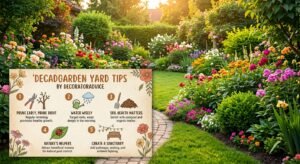
Good planning helps prevent unnecessary purchases and makes outdoor areas easier to maintain. Before buying plants or installing decorations, examine the space and decide how you intend to use it.
Evaluate Your Available Outdoor Space
Start by measuring the approximate size of your yard. Identify existing trees, fences, buildings, pathways, drainage areas, and open spaces.
You can divide the area into sections for planting, seating, walking, or recreation. For example, a small garden might have a flower border along one side and a compact seating area near the entrance.
The planning approach behind Decadgarden yard tips by decoratoradvice can be useful when deciding how to arrange these sections.
Remember to leave enough room for walking and accessing plants. Avoid placing large containers or furniture where they block entrances, drainage points, or frequently used pathways.
Understand Sunlight and Soil Conditions
Sunlight affects which plants are suitable for different parts of a garden. Some plants need direct sunlight, while others grow better in partial shade or shaded locations.
Observe your yard at different times of the day. Note which areas receive morning sunlight, afternoon sunlight, or little direct light.
Soil conditions are equally important. Sandy soils generally drain quickly, while clay soils tend to hold more water. Soil structure, organic matter, and drainage all influence plant growth.
A soil test can help identify pH and nutrient conditions. Use the results to decide whether soil amendments are necessary instead of applying fertilizer or lime without a clear reason.
Create Separate Areas for Gardening and Relaxation
Dividing a yard into practical sections can improve its appearance and usability.
Consider creating:
- A planting area for flowers and shrubs.
- A vegetable section for suitable crops.
- A seating corner with outdoor chairs or a bench.
- An open area for walking or recreation.
Decadgarden yard tips by decoratoradvice can serve as a planning reference when balancing decorative features with everyday needs.
Use similar colors or materials in different sections to create a consistent appearance. At the same time, avoid filling every empty space with furniture or decorations.
10 Practical Decadgarden Yard Tips by Decoratoradvice
Improving a yard does not require completing every project at once. Start with basic tasks that support plant health, improve organization, and address existing problems.
1. Choose Plants According to Your Local Climate
Select plants that can tolerate your region’s temperature, rainfall, sunlight, and soil conditions. A plant that grows successfully in one location may struggle in another.
Before purchasing a plant, check its mature size, sunlight requirements, watering needs, and temperature tolerance.
The practical message of Decadgarden yard tips by decoratoradvice is to consider growing conditions before making decorative choices.
Native plants may also be worth considering. Many are adapted to local environmental conditions, although each species still has its own requirements.
2. Improve Soil Quality Before Planting
Healthy soil provides plants with support, water, air, and nutrients. Before planting, remove unwanted debris and examine whether the soil is compacted or drains poorly.
Adding suitable mature compost or other well-rotted organic matter can improve soil structure. The amount needed depends on the existing soil and the plants being grown.
Avoid applying fertilizer automatically. A soil test and knowledge of the plant’s needs can help determine whether additional nutrients are required.
3. Follow Appropriate Watering Techniques
Different plants need different amounts of water. Newly planted flowers, established shrubs, container plants, vegetables, and lawns should not automatically receive the same watering schedule.
Check the soil moisture before watering. If the root area is still sufficiently moist, additional water may not be necessary.
When watering, direct the water toward the base of the plant. Water slowly enough to allow moisture to reach the root zone.
Decadgarden yard tips by decoratoradvice can remind homeowners to include watering checks in their regular garden routine. The Royal Horticultural Society also recommends adjusting watering according to weather, soil, and plant requirements rather than following one fixed schedule.
4. Maintain Your Lawn Regularly
A healthy lawn needs suitable mowing, moisture, sunlight, and soil conditions.
Remove objects from the grass before mowing. Check that the mower blades are sharp and set the cutting height according to the type of grass.
Avoid removing too much grass in one session. Cutting a lawn excessively short can stress the grass and leave soil more exposed.
Inspect the lawn for bare patches, weeds, discoloration, and standing water. These signs may indicate problems with drainage, watering, nutrients, or pests.
5. Remove Weeds and Dead Plant Material
Weeds compete with garden plants for space, light, water, and nutrients. Regular inspection makes it easier to remove unwanted growth before it spreads.
Hand-pulling may be suitable for small areas. Removing weeds when the soil is slightly moist can make it easier to remove their roots.
Remove dead or diseased plant material when appropriate. Healthy fallen leaves can sometimes be reused for compost or suitable mulch.
As part of Decadgarden yard tips by decoratoradvice, regular cleaning helps keep planting areas organized and easier to inspect.
6. Trim Trees, Shrubs, and Overgrown Branches
Pruning can remove damaged branches, control plant size, and maintain a suitable shape. However, the correct timing depends on the plant species and its flowering or growth cycle.
Use clean, sharp pruning tools and avoid removing excessive healthy growth.
Some shrubs flower on older growth, while others flower on newer growth. Pruning at the wrong time may reduce flowering.
For large trees, heavy branches, or work near electrical lines, use a qualified professional.
7. Use Mulch to Protect Garden Soil
Mulch is a material spread over the soil surface. Suitable options include mature compost, leaf mould, and certain types of bark or wood chips.
Mulch can help reduce water loss, suppress weeds, and protect the soil surface. Organic materials can also contribute organic matter as they break down.
Apply mulch over moist soil and avoid piling it directly against plant stems or tree trunks. The Royal Horticultural Society recommends leaving space around woody stems to reduce the risk of moisture-related damage.
These practices are consistent with the soil-care principles discussed under Decadgarden yard tips by decoratoradvice.
8. Check and Improve Yard Drainage
Poor drainage can leave water standing around plants and outdoor structures. Observe the yard after rainfall to identify areas where water collects.
Keep existing drains and channels free from leaves and debris. If waterlogging continues, investigate the underlying cause before changing the ground level or installing drainage materials.
Raised planting beds may help in some situations, but they are not a universal solution. Larger drainage problems may require professional assessment.
9. Add Suitable Outdoor Lighting
Outdoor lighting can make pathways, entrances, and seating areas easier to use after sunset.
Consider pathway lights, outdoor-rated wall fixtures, or accent lighting for selected garden features.
Choose equipment designed for outdoor use and follow the manufacturer’s installation and safety instructions. Solar lights may be suitable where their panels receive enough sunlight.
Avoid excessive lighting that creates glare or unnecessarily disturbs neighboring properties.
10. Keep Pathways and Seating Areas Clean
Clean pathways and comfortable seating areas can make an outdoor space more welcoming.
Remove fallen leaves, loose branches, and other debris. Check paving stones and steps for movement, uneven surfaces, or slippery areas.
Inspect outdoor furniture for damaged wood, rust, loose fittings, and worn cushions. Follow the manufacturer’s cleaning and storage recommendations.
Small maintenance tasks can help preserve a yard’s appearance without requiring a major renovation.
Best Plants and Flowers for a Beautiful Garden
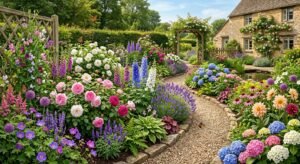
Choosing suitable plants is an important part of creating an attractive garden. Consider their growing requirements, mature size, flowering period, and maintenance needs before arranging them.
Flowering Plants for Colorful Outdoor Spaces
Flowering plants can add color to garden beds, containers, and borders. Select varieties according to their sunlight, soil, and watering requirements.
When designing a traditional flower border, taller plants can be placed behind shorter varieties so that smaller plants remain visible.
Decadgarden yard tips by decoratoradvice can help readers consider how plant heights, colors, and textures work together.
Combining plants with different flowering periods may also help maintain visual interest across different parts of the growing season.
Low-Maintenance Plants for Beginners
Beginners may prefer plants that suit their local climate and do not require complicated care.
Some established shrubs, suitable native plants, and hardy perennials can be manageable choices. However, no plant is completely maintenance-free.
Check mature size, watering requirements, and sunlight needs before purchasing. Starting with a small selection can make it easier to learn basic plant care.
Native Plants and Climate-Friendly Choices
Native plants naturally occur in a particular geographical region. Many are adapted to local soil and weather conditions.
Choosing suitable native species may support local wildlife and reduce some maintenance needs once the plants become established.
Research individual species before planting. Some native plants spread quickly, while others require particular growing conditions.
Lawn Care and Soil Maintenance Techniques
Lawn maintenance and soil management are connected. Grass needs suitable growing conditions, and problems with soil or drainage can affect its appearance.
How to Maintain Healthy Grass
Identify the type of grass in your yard and check its growing requirements. Grass varieties differ in their preferred temperature, sunlight, moisture, and mowing height.
Inspect the lawn for bare patches, weeds, compaction, and signs of disease. Try to identify the cause before applying fertilizer or pesticides.
Decadgarden yard tips by decoratoradvice can be used to organize regular lawn inspections alongside other garden tasks.
When and How to Mow Your Lawn
Mow according to grass growth and local weather conditions. Avoid mowing when the lawn is extremely wet or when the soil is unsuitable for equipment.
The Royal Horticultural Society advises avoiding the removal of too much grass at one time. The suitable cutting height depends on the grass type and conditions.
Keep mower blades sharp and change the mowing direction occasionally to reduce repeated wheel tracks.
Soil Testing, Compost, and Fertilizer Basics
Soil testing can help identify pH and nutrient conditions. The results can guide decisions about fertilizer and soil amendments. Suitable mature compost can improve soil structure and contribute organic matter.
Do not assume that every garden needs regular fertilizer. The Royal Horticultural Society explains that many established ornamental plants do not require routine feeding, while some container plants and edible crops may benefit from it.
Creative Backyard and Outdoor Decoration Ideas
Outdoor decoration should make a yard more comfortable and functional. A few carefully selected features can improve the space without overcrowding it.
Create a Comfortable Garden Seating Area
Choose a suitable location for a bench, chairs, or a small outdoor table. Consider shade, sunlight, privacy, ventilation, and access.
A seating area beside suitable plants can provide a pleasant place to relax. In a small yard, foldable furniture may help save space.
Design Attractive Garden Pathways
Pathways connect different sections of a garden and provide convenient access to planting beds and seating areas.
Common materials include gravel, paving stones, bricks, and concrete. Choose a surface that suits the expected use, drainage conditions, and maintenance requirements.
The layout ideas associated with Decadgarden yard tips by decoratoradvice can help homeowners think about how pathways fit into the overall design.
Use Planters and Vertical Gardening
Containers provide flexible planting options for patios, balconies, and small yards. Select pots with drainage holes and enough room for root development.
Vertical gardening uses walls, trellises, or suitable supports to grow plants upward instead of across the ground.
Before installing a vertical structure, check that it is secure and capable of supporting the weight of the plants and containers.
Choose Weather-Resistant Outdoor Furniture
Outdoor furniture should suit local weather conditions and available space.
Treated wood, suitable metals, and weather-resistant synthetic materials may be appropriate depending on construction and maintenance requirements.
Follow product instructions when cleaning or storing furniture. Protecting cushions from heavy rain can help extend their useful life.
Seasonal Garden Maintenance Guide
Garden tasks change with temperature, rainfall, and plant growth. Decadgarden Yard Tips by Decoratoradvice offers general suggestions, but their timing should be adjusted to local climate and seasonal conditions.
Spring Garden Preparation
Where spring marks the beginning of active plant growth, inspect the garden and remove damaged plant material.
Prepare planting beds, check soil conditions, and select plants suitable for the upcoming growing period. Inspect tools and watering equipment before regular maintenance begins.
Summer Watering and Plant Protection
Hot weather can increase water loss from soil. Monitor plants and adjust watering according to rainfall, soil moisture, and individual requirements.
Mulch can help reduce moisture loss from suitable planting beds. Check for pests, disease, and signs of heat stress. Provide suitable shade for sensitive plants when necessary.
Autumn Cleanup and Soil Preparation
In regions with a distinct autumn season, collect fallen leaves and reuse suitable material in compost.
Check the pruning requirements of shrubs and trees before cutting them. Some plants should be pruned after flowering rather than during autumn.
Prepare planting areas for the next growing period when local conditions allow.
Winter Plant Protection
In colder climates, protect vulnerable plants from frost using suitable covers or sheltered locations.
Clean and store tools properly. Avoid walking on waterlogged or frozen lawns because this can damage the grass and soil.
In warmer climates, winter gardening tasks may be different. Follow regional recommendations rather than assuming every garden experiences freezing conditions.
Sustainable and Budget-Friendly Yard Improvement Ideas
Improving a garden does not always require expensive materials or frequent purchases. Reusing suitable resources and planning carefully can help control costs.
Reuse Old Containers for Gardening
Suitable containers can be reused as plant pots after proper cleaning, making Decadgarden Yard Tips by Decoratoradvice a practical approach to budget-friendly gardening.
Check that the material is safe for growing plants and provides adequate drainage. Avoid containers that previously held hazardous chemicals or substances that could contaminate the soil.
Make Compost from Organic Waste
Home composting can turn suitable kitchen and garden waste into a soil improver.
Common materials include vegetable scraps, dry leaves, and suitable untreated plant waste. A compost system needs appropriate moisture and airflow.
Avoid adding materials that are unsuitable for the composting method being used. Follow a reliable composting guide to manage the process safely.
Collect Rainwater Where Practical
Rainwater collection can provide an additional source of water for suitable garden uses. A basic system may collect roof runoff through gutters into a covered storage container.
Maintain the container and keep stored water covered. The US Environmental Protection Agency recommends emptying or changing water in rain barrels and other containers at least weekly to reduce potential mosquito breeding sites.
Choose Durable and Low-Maintenance Materials
Choose outdoor materials according to durability, weather resistance, safety, and cleaning requirements.
Reusing suitable furniture and materials can reduce unnecessary spending. Compare the expected maintenance needs before buying new features.
The sustainable ideas discussed in Decadgarden yard tips by decoratoradvice are most useful when they are adapted to the property’s actual needs and local conditions.
Essential Tools for Lawn Care and Garden Maintenance
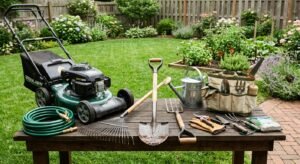
A small collection of suitable tools can make routine garden work easier. Beginners should choose equipment according to the size of the yard and the tasks they perform.
Basic Lawn Care Equipment
Common equipment includes a suitable lawn mower, rake, watering hose, watering can, and edging tool.
A small garden may need only basic hand tools, while a larger lawn may require powered equipment. Choose equipment that you can operate safely and maintain properly.
Gardening and Pruning Tools
A hand trowel, garden gloves, pruning shears, and a suitable spade are useful for many planting and maintenance tasks.
Keep cutting tools clean and sharp. Store them in a dry place and follow safety instructions when handling blades.
Cleaning and Watering Equipment
A garden hose with a suitable nozzle, watering can, outdoor brush, and leaf rake can help with regular cleaning and watering.
Check hoses and fittings for leaks. Store equipment properly after use to reduce unnecessary wear.
Read more: Home Improvement Mintpaldecor: Easy DIY Projects for Beginners
Common Lawn Care and Garden Maintenance Mistakes to Avoid
Following Decadgarden Yard Tips by Decoratoradvice can help homeowners understand common gardening mistakes, protect plants, and avoid unnecessary expenses.
Overwatering and Poor Drainage
Watering too frequently can leave soil excessively wet and create unsuitable conditions for plant roots.
Check soil moisture before adding water. If an area remains waterlogged after rainfall, investigate the drainage problem instead of simply applying more fertilizer.
Choosing Unsuitable Plants
A plant may look attractive in a garden center but struggle when placed in the wrong environment.
Check its sunlight requirements, mature size, temperature tolerance, soil preference, and water needs before purchasing it.
Overusing Fertilizers and Pesticides
Excessive fertilizer does not guarantee better growth. Incorrect use can damage plants and contribute to environmental problems.
Identify the cause of a plant problem before using pesticides. Consider appropriate non-chemical methods and always follow product label instructions.
Ignoring Regular Garden Maintenance
Delaying basic maintenance can allow weeds, drainage problems, and damaged branches to become harder to manage.
A simple inspection routine helps identify small problems before they develop into larger projects.
How to Create a Weekly Garden Maintenance Routine
A weekly maintenance routine can help homeowners organize garden work. The exact schedule should depend on the weather, plant types, and size of the property.
A simple example is:
- Monday: Check soil moisture and inspect plants.
- Tuesday: Remove weeds from planting beds.
- Wednesday: Clean pathways and remove unnecessary debris.
- Thursday: Inspect the lawn and mow if needed.
- Friday: Check containers, furniture, and drainage areas.
- Weekend: Review the garden and plan necessary improvements.
Not every task needs to happen every week. Pruning, fertilizing, and other treatments should follow the requirements of individual plants.
Decadgarden yard tips by decoratoradvice can provide a useful starting point for organizing these activities, but the routine should be adapted to actual garden conditions.
Benefits of Following Decadgarden Yard Tips by Decoratoradvice
The main value of these ideas is that they encourage homeowners to consider outdoor improvement as a combination of planning, decoration, and maintenance.
One benefit is better space management. Dividing a yard into planting, seating, and walking areas can make it more organized.
Another benefit is more informed plant selection. Considering climate, sunlight, soil, and mature size before purchasing can help prevent unsuitable choices.
Regular maintenance can also make garden care more manageable. Checking soil moisture, removing weeds, and inspecting drainage helps identify problems early.
Budget planning is equally important. Reusing safe containers, making compost, and selecting durable materials can reduce unnecessary spending.
Finally, a thoughtfully arranged yard can provide a comfortable place for relaxation, gardening, and outdoor activities.
The best results come from selecting improvements that suit the property rather than copying a design without considering its requirements.
Final Verdict
Creating a beautiful and functional yard is a gradual process that requires planning, suitable plant selection, practical decoration, and regular maintenance. Homeowners do not need to complete every improvement at once. Starting with soil preparation, appropriate watering, and basic cleaning can establish a useful foundation.
Decadgarden yard tips by decoratoradvice provide a useful subject for exploring how outdoor decoration and garden maintenance can work together. By considering local climate, available space, soil conditions, and budget, homeowners can choose improvements that suit their needs.
FAQs About Decadgarden Yard Tips by Decoratoradvice
What are Decadgarden Yard Tips by Decoratoradvice?
They are ideas for garden planning, plant selection, lawn care, and outdoor decoration. They also cover practical ways to maintain a clean and attractive yard.
How can beginners maintain a beautiful yard?
Start by choosing suitable plants, watering properly, and removing weeds. Keep pathways clean and maintain a small garden area at first.
How often should you water your garden?
Watering depends on plant type, soil, weather, and rainfall. Check soil moisture before watering instead of following a fixed schedule.
How can you maintain a healthy lawn?
Mow at a suitable height and manage weeds regularly. Maintain proper soil moisture and drainage, and avoid excessive fertilizer.
Which plants are easiest to maintain?
Choose plants that suit your local climate and soil conditions. Native plants and suitable shrubs are often easier to care for.
How can you improve garden soil naturally?
Add mature compost and organic matter to improve soil structure. Use a soil test to identify nutrient needs and possible pH problems.
What tools are needed for garden maintenance?
Basic tools include gloves, a hand trowel, pruning shears, and a rake. A watering can, hose, or lawn mower may also be useful.